Cat Face Layered SVG Clipart
First Impressions: Playful, Clean, and Ready for Stitching
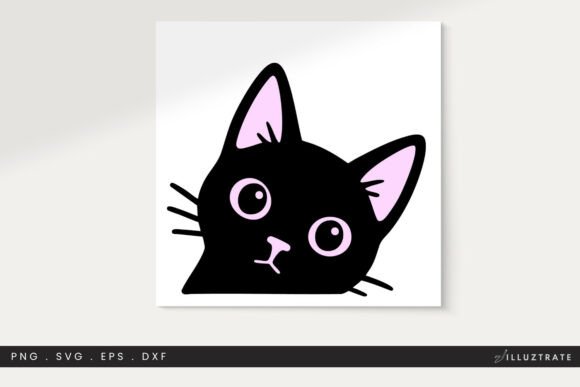
When I opened Cat Face Layered SVG Clipart, my immediate thought wasn’t “cute”—it was “usable.” As a designer who’s stitched hundreds of custom pieces for Etsy sellers, boutique clients, and small craft businesses, I look past charm first and ask: Will this hold up in thread? This design delivers a confident, friendly feline expression with intentional negative space, balanced layering, and clear visual hierarchy. The layers aren’t just decorative—they suggest natural stitch zones: outline, inner ear detail, whisker accents, and a soft cheek curve that reads well even at 3–4 inches wide. It feels like a hand-drawn sketch translated thoughtfully into vector form—not over-rendered, not oversimplified. That balance is gold for embroidery.
A Real Project Test: Embroidering a Linen Kitchen Towel
Last week, I prepped a batch of linen tea towels for a local maker’s holiday collection. She wanted something warm, whimsical, and unmistakably handmade—not cartoonish, not too precious. I chose Cat Face Layered SVG Clipart as the centerpiece. Why? Because its layered structure translates cleanly to satin-stitched outlines and gentle fill-stitch cheeks—no dense clusters or fragile micro-details that collapse on textured fabric. On linen, the design stayed crisp without excessive stabilizer. The cat’s eyes held shape, the nose area didn’t blur, and the subtle layering gave depth without requiring multi-hooping. Customers responded immediately: “It looks like it was drawn just for this towel,” one said. That’s the quiet power of intentional layering—it reads as thoughtful, not generic.
Where It Shines (and Where to Pause)
Cat Face Layered SVG Clipart works especially well for:
- Custom apparel: Sweatshirts, crewnecks, and tote bags—its proportions scale cleanly from 2.5” to 5”, and the open mouth/nose area avoids heavy fill stitches that stiffen fabric.
- Baby embroidery: Soft edges and moderate detail keep it safe for onesies and burp cloths—no tiny floating elements that snag or unravel after washing.
- Embroidered patches: The clean outer contour and defined inner layers make it ideal for heat-seal or sew-on patches meant for jackets, backpacks, or aprons.
- Holiday and gift embroidery: Its warmth reads well on kitchen towels, pillow covers, and nursery decor—especially when paired with neutral thread colors like oatmeal, charcoal, or dusty rose.
Use caution with:
- Small hoop sizes under 4”: Some inner ear or whisker details may compress or lose clarity—test at your intended size first.
- Stretchy fabrics like knits or jersey: The design’s clean lines rely on stable registration—always pair with cutaway stabilizer and consider simplifying whiskers if stitching on t-shirts.
- Dark or heavily textured fabrics: The layered look depends on contrast—preview in black-and-white mockups before finalizing thread choices.
- Curved surfaces like caps: The face’s symmetry helps, but avoid placing near the bill seam where distortion occurs—center it on the front panel instead.
What It Adds to Your Finished Product
This isn’t just another clipart file—it’s a design asset that lifts perceived value. When customers see Cat Face Layered SVG Clipart stitched on a handmade apron or baby blanket, they read intention, care, and craftsmanship—not “I found a free SVG online.” That impression builds trust, especially for Etsy sellers and small shop owners pricing handmade products at premium rates. The layered approach also supports brand consistency: you can adapt it across product lines (e.g., same cat face on tea towels, patches, and greeting cards) while keeping visual cohesion. And because it avoids hyper-realism or trendy filters, it stays relevant season after season—ideal for holiday embroidery, wedding gifts (think “bride’s cat lover” pillow), or boutique branding.
Practical Notes Every Embroidery Designer Should Check
Before stitching—or listing a finished product—take these five minutes:
- Test on scrap fabric using your exact stabilizer, thread, and machine settings—not just on screen.
- Review stitch density: Look for tight clusters in the eyes or nose that could pucker thin cotton or shift on knits.
- Confirm hoop size compatibility: If your smallest hoop is 4x4”, verify all layers fit comfortably within that frame.
- Inspect small details in both light and dark thread on fabric swatches—whiskers should read as lines, not blobs.
- Check licensing: Since this is listed as a Graphics product in the Crafts category, confirm whether commercial use is permitted for physical finished goods—and whether resale of digital files is allowed—before adding it to your shop.
Final Thought: A Design That Serves the Maker
Cat Face Layered SVG Clipart doesn’t shout. It invites. It fits naturally into real embroidery projects—whether you’re stitching a single personalized gift or producing 50 embroidered tote bags for a craft fair. It respects fabric, thread, and time. And for creative entrepreneurs building a recognizable style, it offers flexibility without sacrificing personality. In short: it’s the kind of machine embroidery design you’ll reach for again—not because it’s trendy, but because it works, quietly and consistently, project after project.